How to Choose a Reliable High Heel Manufacturer
Avoid costly mistakes when selecting a manufacturer.dentity and product diversity.
Learn how to evaluate MOQ, sampling, materials, and production reliability.
Choosing the right high heel manufacturer is one of the most important decisions for any footwear brand.
A reliable factory doesn’t just produce shoes — it determines:
• product quality • development efficiency • long-term scalability
For brands, especially startups, selecting the wrong supplier can lead to delays, unstable quality, and unexpected costs.
This checklist breaks down exactly what to evaluate before starting production.
1. Can the Manufacturer Turn Designs into Real Products?
Not all factories can handle true customization.
A professional custom high heels manufacturer should be able to:
• work from sketches, tech packs, or reference images • adjust last shape and proportions • refine heel structure for balance and wearability
Industry fact:More than 60% of development issues in high heels come from poor structural execution, not design itself.

2. Do They Offer a Clear Sampling Process?
Sampling is where most projects succeed or fail.
A reliable factory should provide:

Design & Material Confirmation
This stage defines the overall product concept, including shoe structure, upper materials, and hardware details. It ensures the design is practical and ready for development before any production begins.

Material Cutting & Construction Setup
Materials are precisely cut based on approved patterns, and all components are prepared for assembly. Accuracy at this stage is critical, as it directly affects consistency and final product quality.

Prototype Assembly (Sample Making)
The design is transformed into a physical sample through upper stitching, heel attachment, and outsole bonding. This stage validates the structure, proportions, and overall construction of the product.

Fit Testing & Adjustment
The sample is tested for comfort, balance, and stability, followed by necessary adjustments. Most technical and structural issues are identified and resolved during this stage.
Discover Product Development Services
3. What Is Their MOQ (Minimum Order Quantity)?
MOQ directly affects your budget and risk.
Typical MOQ for custom high heels:
•small batch production: 50–100 pairs per style•standard production: 100–300+ pairs
Lower MOQ is helpful for new brands, but may increase unit cost.
A good manufacturer will help you balance:
•cost efficiency•inventory risk

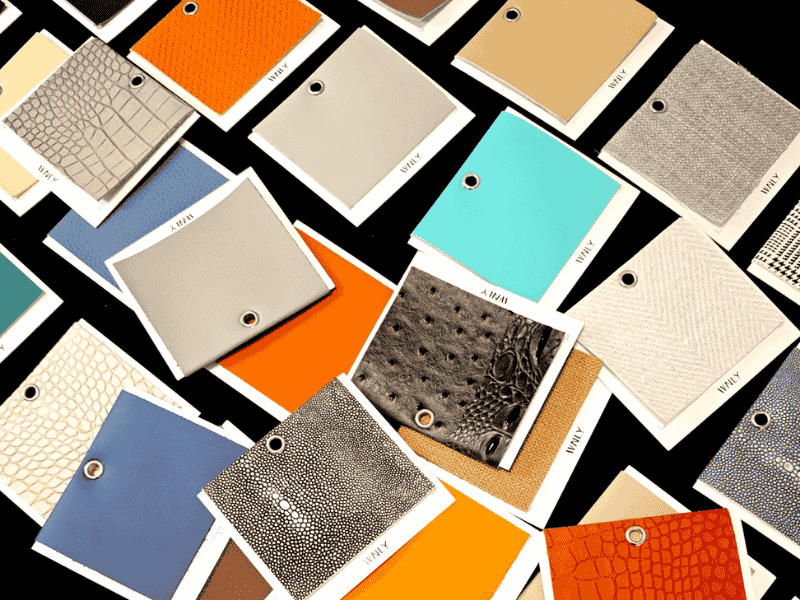
4. Do They Support Material & Component Customization?
High heel quality depends heavily on materials.
A reliable factory should offer:
•leather, satin, suede, and synthetic options•outsole variations (leather, rubber, mixed)•heel structures (standard vs custom mold)
Industry data shows:materials account for 40%–60% of total production cost, making this one of the most critical factors.
5. Can They Develop Custom Heel Structures?
Heel construction is one of the most complex parts of high heel manufacturing.
A capable factory should:
•provide existing heel mold options•support custom heel mold development•conduct balance and durability testing
Important:Custom heel molds can significantly increase development cost and time, but are essential for unique designs.

Meet Our Footwear Development Team
6. Do They Have Stable Quality Control Systems?
Quality consistency is critical for scaling a brand.
A professional factory should include:
•material inspection before production•in-line quality checks during manufacturing•final inspection before shipment
In most footwear factories:
•QC processes typically cover 3–5 inspection stages•defect rates are controlled below 2%–5% for stable production
7. Are Production Timelines Clear and Realistic?
Time is a major risk factor in product launches.
Typical production timelines:
•sampling: 20–25 days•bulk production: 30–45 days
Factories that promise “too fast” timelines often compromise on quality or consistency.
8. Do They Support Branding & Private Label?
For brands, production is not just about shoes — it’s about identity.
A reliable manufacturer should support:
• logo application (embossing, printing, hardware) • custom packaging (boxes, dust bags) • consistent branding across products
This is especially important for private label high heels.

Work with a Reliable High Heel Manufacturer
If you are looking for a professional partner, it’s important to choose a factory that supports both development and production.
Explore our full customization service:
Or learn more about our high heel manufacturing capabilities:
We help brands turn concepts into production-ready products with structured development, material sourcing, and scalable manufacturing.
Certifications & Compliance
Reliable footwear manufacturers follow international production and material standards to ensure product safety, quality consistency, and export compliance.
Professional high heel manufacturers typically operate under certified quality management systems and work with materials that meet global regulatory requirements.


FAQ
How do I know if a high heel manufacturer is reliable?
Check their sampling process, MOQ, quality control, and ability to handle custom designs.
What is a normal MOQ for custom high heels?
Most manufacturers require 50–300 pairs depending on complexity and materials.
How long does it take to produce high heels?
Sampling takes 20–25 days, and bulk production usually takes 30–45 days.
What is the biggest risk when choosing a manufacturer?
Poor development capability and lack of quality control are the most common risks.
Media Contact
Company Name: Chengdu Xinzi Rain Shoes CO., Ltd.
Email: Send Email
Country: China
Website: https://www.xingzirain.com/