In a studio filled with fish-skin paintings in Tongjiang, Heilongjiang, Yang Shuangyan’s phone keeps ringing. “This copyright certificate is our ‘hard currency’ for entering e-commerce platforms,” she says, pointing to a framed registration certificate. Once a mother who learned the craft while accompanying her child to school, she now leads a team of over 40 artisans, with her works reaching as far as the United States.
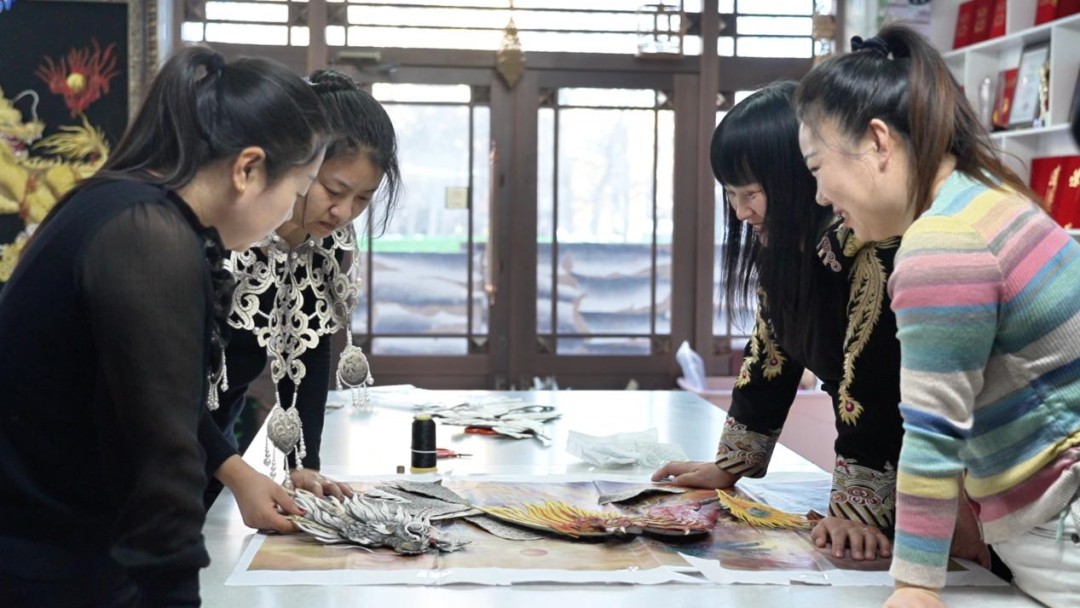
Yang Shuangyan (second from right) and her apprentices
Three hundred kilometers away in Fuyuan, Wang Guirong, another provincial-level inheritor of Hezhe fish-skin craftsmanship, is busy completing a batch of orders with her apprentices. “These 27 copyright certificates are our confidence,” she says, gesturing toward a row of framed registrations beside the “Heyi” trademark on the studio wall. From mastering fish-skin processing techniques to collaborating with universities on cloisonné fish-skin art, copyright protection has allowed her to innovate with greater assurance.
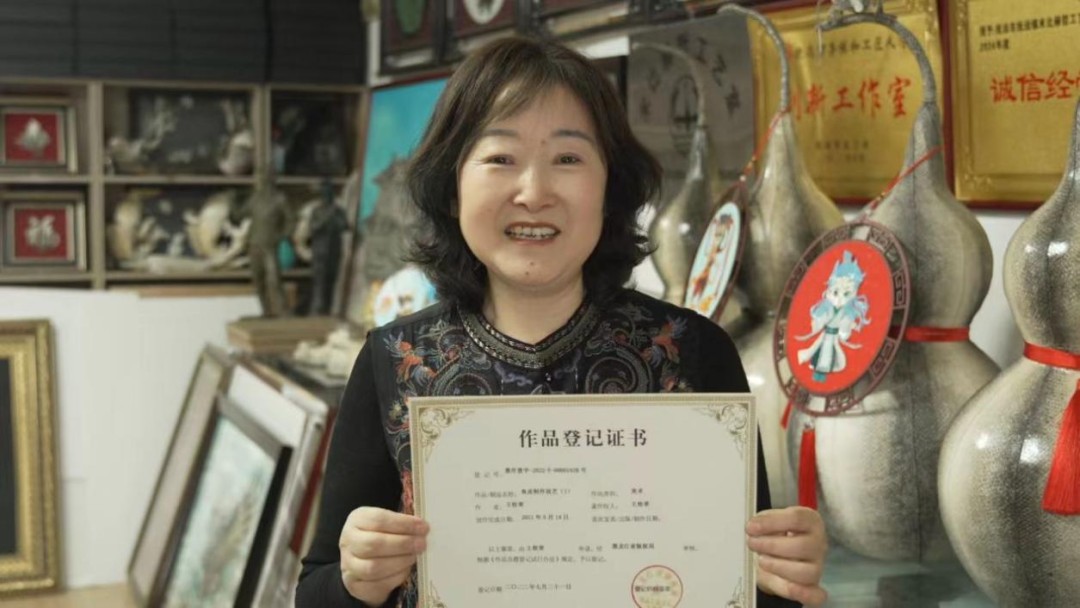
Wang Guirong and Her Copyright Certificate
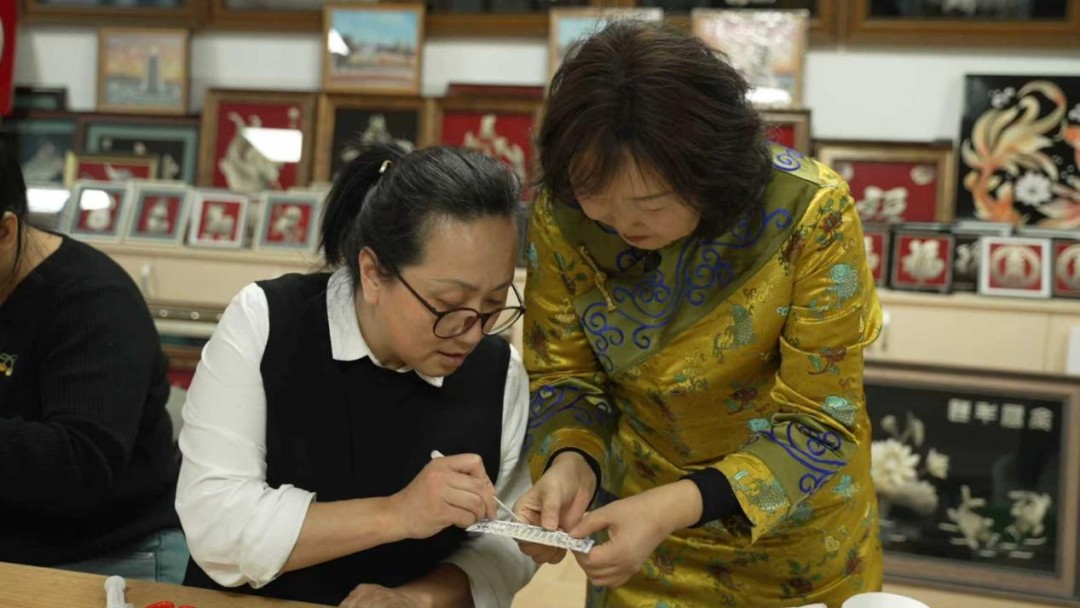
Wang Guirong (1st from right), Provincial Representative Inheritor of Hezhe Ethnic Group's Fish Skin Processing Technique
Along the riverside landscape belt in Jiamusi, morning exercisers may not stop to look closely, but they inevitably notice the distinctive patterns on bus shelters—modern interpretations of Hezhe totems. “We cannot let cities all ‘grow’ the same face,” says Xu Haitao, a local urban landscape designer specializing in folk elements. He integrates Hezhe totems and myths into bus stops, pavilions, and sculptures, registering copyrights for each design in advance. “Copyright does not protect the ancient totem itself, but our creativity and interpretation in transforming it.”
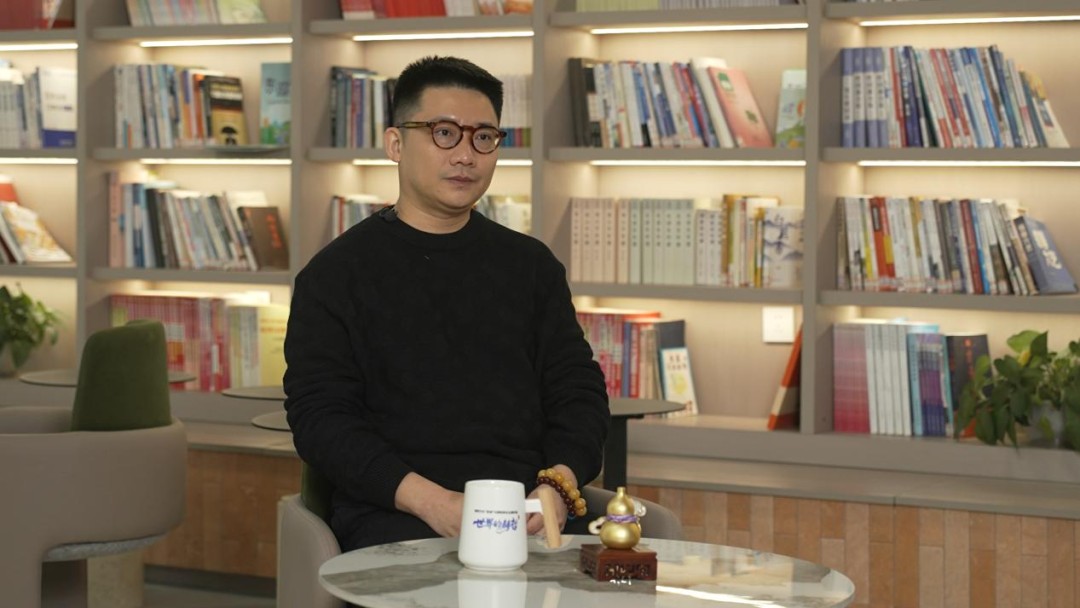
Xu Haitao, Urban Landscape Designer with Folk Elements
“Long chants tell heroic stories, while short chants depict life and love,” says Lu Yanhua, a provincial-level inheritor of Hezhe Yimakan, as she records a new performance at the Raohe Intangible Cultural Heritage Protection Center. As an inheritor of this UNESCO-listed heritage, she has witnessed its evolution from family-based oral transmission to broader dissemination in schools and communities.
“Every recording we make now is protected by copyright,” she explains. Although the Hezhe language has no written script, its improvised melodies and inherited stories deserve equal respect and protection.
Notably, Yimakan was officially transferred in 2025 from the UNESCO List of Intangible Cultural Heritage in Need of Urgent Safeguarding to the Representative List of the Intangible Cultural Heritage of Humanity, marking a major milestone in its preservation and revitalization.
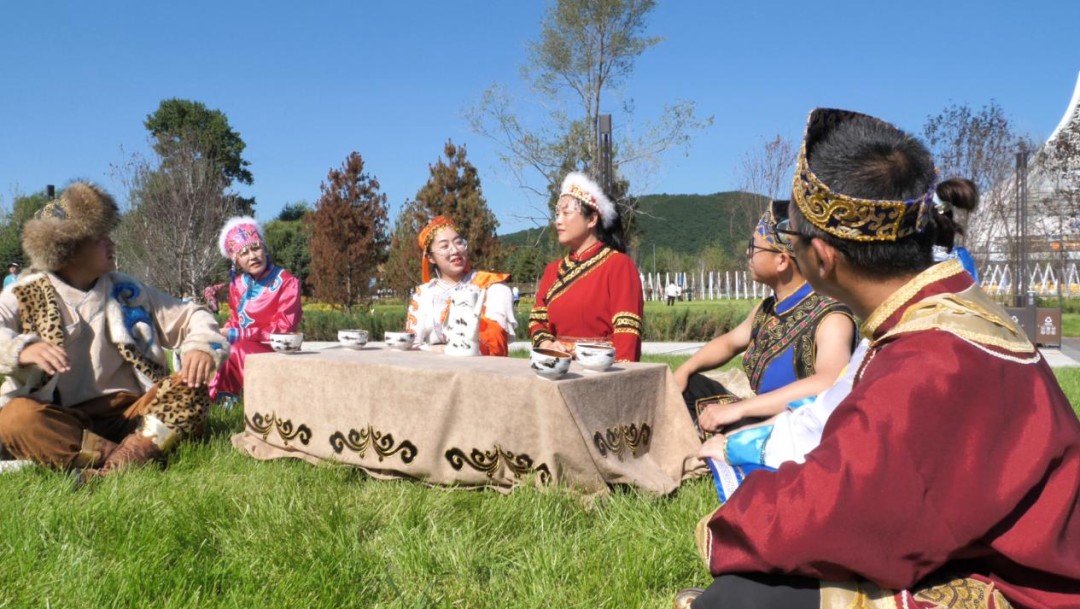
Lu Yanhua (4th from left) in a performance photo with Yimakan
Four inheritors, four different paths, yet all point to one core idea: copyright awareness is reshaping the ecosystem of Hezhe cultural inheritance.
Behind these vivid stories along the Heilongjiang River lies a systematic “combination strategy” of copyright protection. The Heilongjiang Provincial Copyright Administration has launched initiatives such as the “Copyright Seed Program,” holding 196 events in a year and issuing over 1,400 “first-ever copyright certificates.” Participation in the “My Youth Has Copyright” design competition grew by 174% in one year. Hezhe cultural works have been exhibited at the World Intellectual Property Organization in Geneva, and related reports have been shared internationally, extending their global reach.
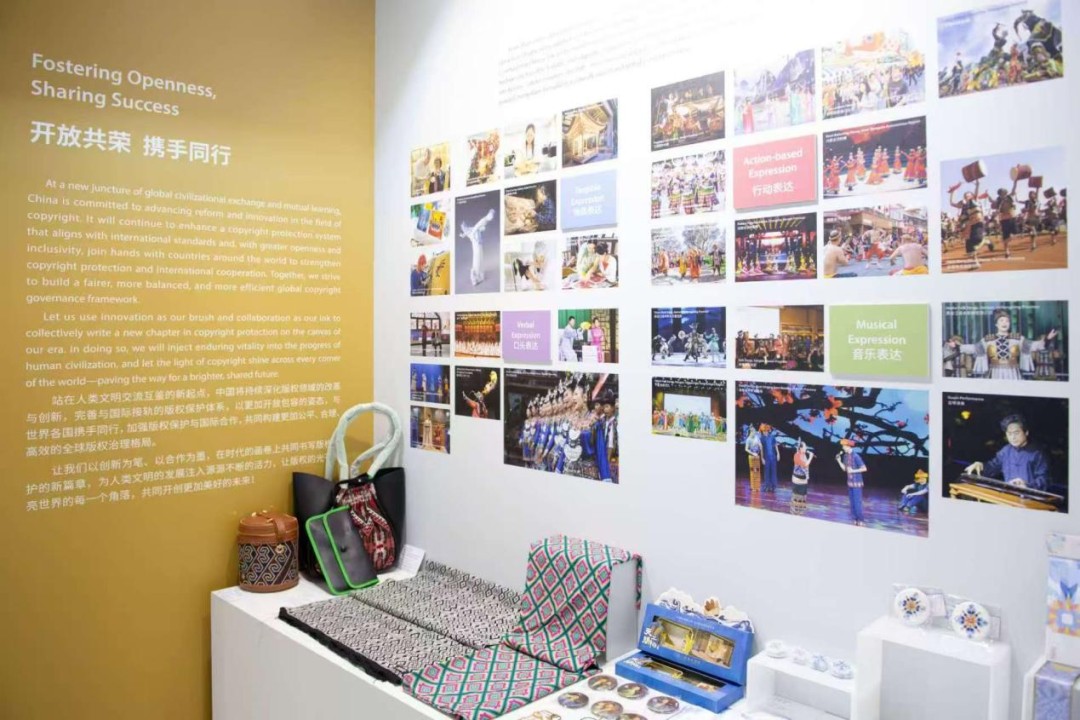
"Protect Innovation, Build the Future Together—Copyright in China" themed exhibition
“Our work is to serve innovators,” said an official from the Heilongjiang Copyright Administration. In 2025, the province registered over 10,000 works. Yimakan achieved “living transmission” and was successfully moved to UNESCO’s Representative List, with its safeguarding plan also recognized as a model practice, marking a historic dual achievement .
With systematic copyright protection, Hezhe folk culture has moved beyond fragile, single-channel inheritance toward a dynamic transformation—from “preserved heritage” to “activated cultural resource.”
In Hezhe folklore, every fish carries its own story. Today, these stories are being told, recorded, and protected in new ways. Copyright is helping this small ethnic group of just over 5,000 people find its place in the modern era—preserving its ancient spirit, embracing contemporary civilization, and opening pathways to a broader future.
Media Contact
Company Name: Heilongjiang Mocheng Culture Media Co., Ltd.
Contact Person: Dai Hongmei
Email: Send Email
Phone: 15145199531
City: Harbin
Country: China
Website: http://hlj.ifeng.com/