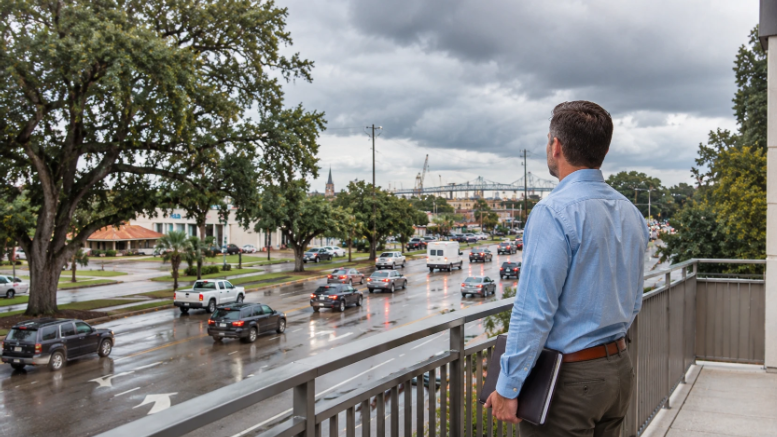
Louisiana regularly ranks near the top of national lists for car insurance costs. For residents, that is a household budget problem. For anyone who follows insurers as investments, it is a case study in what happens when legal, climate, and market pressures all push in the same direction.
Here is a look at why Louisiana premiums run so high, what that means for the companies that write policies there, and what drivers can realistically do about it.
The legal environment drives claim costs
Insurance pricing starts with expected losses, and in Louisiana those losses have historically been high because of how claims are litigated. The state has had a reputation for a high rate of attorney involvement in auto claims, which pushes up the average cost of settling an injury claim.
Lawmakers have passed several reform packages in recent years aimed at reducing litigation costs. Insurers and analysts tend to watch how these changes play out over several years of claims data before they show up in rates. For investors, that lag matters. Reforms rarely produce immediate premium relief, and companies may wait for evidence before cutting prices.
Low minimum limits and many uninsured drivers
Louisiana requires drivers to carry only 15/30/25 liability coverage: $15,000 per injured person, $30,000 per accident for injuries, and $25,000 for property damage. Those are among the lower minimums in the country.
Low minimums combined with a large share of uninsured or underinsured drivers shift costs onto everyone else. When an at-fault driver has little or no coverage, the injured person’s own policy, through uninsured motorist coverage, often ends up paying. That cost gets spread across the premiums of drivers who do buy insurance.
Weather is a growing line item
Hurricanes, tropical storms, and flash flooding produce large comprehensive claims, especially when thousands of vehicles are damaged in the same event. Catastrophe losses also push up the cost of reinsurance, the insurance that insurers buy for themselves. Higher reinsurance costs feed into what primary insurers charge drivers.
From an investor’s standpoint, this is the same story playing out across the Gulf Coast in homeowners insurance, though usually less dramatically in auto.
Repair costs have risen everywhere
Like the rest of the country, Louisiana has seen repair bills climb. Modern cars carry sensors, cameras, and complex electronics, so a minor bumper repair can now cost far more than it did a decade ago. Parts and labor shortages have added to that. These costs are national, but they stack on top of Louisiana’s local pressures.
What this means for insurers
High premiums do not automatically mean high profits. In many recent years, auto insurers have struggled to keep up with rising loss costs nationally, and Louisiana’s environment makes it harder.
When analyzing an insurer with meaningful Louisiana exposure, a few things are worth watching:
Combined ratio in the state. A ratio above 100% means the company is paying out more in claims and expenses than it collects in premium.
Rate filings. Approved rate increases signal both rising costs and the insurer’s ability to price for them.
Market share shifts. Some national carriers reduce their footprint in difficult states, while regional insurers sometimes grow by focusing on segments the big brands avoid.
Reinsurance costs and catastrophe exposure disclosed in earnings reports.
The Louisiana Department of Insurance publishes rate filing information and consumer reports, and the Louisiana Department of Insurance website is a useful starting point for anyone tracking the market.
What drivers can do right now
For residents, the practical question is simpler: how to pay less without being underinsured. A few approaches tend to make the biggest difference.
Compare quotes every year. Pricing varies widely between companies in high-cost states, so shopping matters more in Louisiana than almost anywhere else.
Keep uninsured motorist coverage. Given the number of uninsured drivers, it is one of the most valuable parts of a Louisiana policy.
Adjust deductibles thoughtfully. A higher deductible lowers premiums but only makes sense if you have savings to cover it.
Ask about discounts for safe driving programs, bundling, and paying in full.
Maintain continuous coverage. Even a short gap can raise future premiums.
Anyone shopping for car insurance in Louisiana should get quotes from both national and regional companies. Regional insurers sometimes price local risks differently, and in a market this expensive, a few quotes can reveal a gap of hundreds of dollars a year.
The takeaway
Louisiana’s high premiums come from a combination of legal costs, low coverage minimums, uninsured drivers, severe weather, and rising repair bills. Reforms may ease some of that pressure over time, but investors and drivers alike should expect any relief to be gradual. In the meantime, the market rewards people who pay attention, whether that means reading an insurer’s state-level results or simply shopping a policy before renewal.