You're halfway through the grocery store, your baby on one hip, a shopping bag slipping off your shoulder, and your phone buzzing with a reminder about the next pickup. Sound familiar? For busy parents constantly moving between errands, appointments, and daily tasks, a reliable baby carrier isn't just a convenience—it's a survival tool. But standing in front of dozens of options, two popular styles demand attention: the hip seat carrier and the structured baby carrier. Both promise to free your hands and keep your little one secure, yet they approach the job differently. This article breaks down the hip seat versus structured carrier debate with one goal in mind—helping you find the best baby carrier for quick, hands-free daily tasks. We'll focus specifically on ease of use for parents who need speed and simplicity, along with front-facing carry options that let your baby engage with the world while you get things done.
Understanding Baby Carrier Types: Hip Seat vs. Structured
Before diving into which carrier wins for your hectic schedule, let's clarify what we're comparing. A hip seat carrier features a firm, padded ledge that straps around your waist, creating a small "seat" for your baby to rest on at hip or front level. Think of it as a portable shelf for your child—minimal straps, minimal fuss, and designed for parents who frequently pick up and set down their little ones throughout the day. Some models add a simple back panel with shoulder straps for extra security, but the defining feature remains that structured seat base.
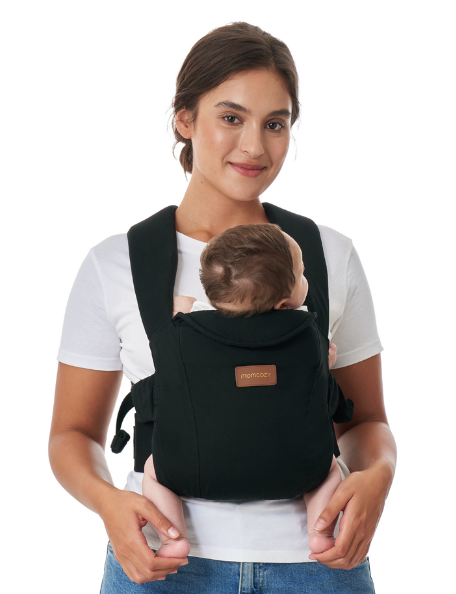
A structured baby carrier, on the other hand, is a full-body system with padded shoulder straps, a wide waistband, and a fabric panel that wraps around your baby. It distributes your child's weight across your shoulders, back, and hips simultaneously. These carriers typically offer multiple positions—front inward, front outward, hip, and back carry—and are engineered for extended wear during longer outings or household tasks.
Why does this distinction matter when searching for the best baby carrier? Because your daily routine dictates which design actually serves you. A parent running five short errands in two hours has fundamentally different needs than one spending an afternoon at a farmers' market. The hip seat prioritizes speed and accessibility. The structured carrier prioritizes sustained comfort and versatility. Understanding this core difference prevents you from investing in a carrier that looks great online but frustrates you by Tuesday. The sections ahead examine exactly how each type performs where it counts most for time-pressed parents.
Hip Seat Carrier: Features and Benefits for Quick Errands
If your day involves constantly moving between the car seat, the stroller, and your arms, a hip seat carrier was essentially designed for your rhythm. These carriers strip away complexity in favor of pure speed—most models require nothing more than wrapping a padded belt around your waist, clicking one or two buckles, and placing your baby on the seat. The entire process takes under ten seconds, which matters enormously when you're ducking into the post office or grabbing a prescription at the pharmacy. For parents searching for an easy-to-use carrier for quick trips, the hip seat delivers exactly that promise without a learning curve.
Key Design Elements and Usability
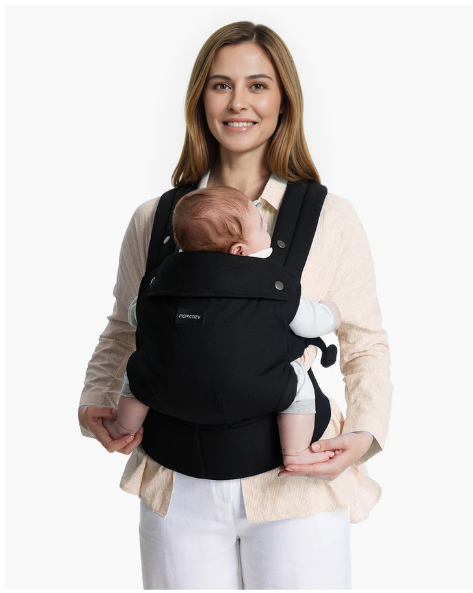
The ergonomic hip seat itself is typically constructed from high-density foam or a lightweight polypropylene frame covered in breathable mesh and padded fabric. This firm base angles slightly inward to keep your baby naturally positioned against your body without constant hand support. The waistband—usually four to six inches wide—distributes weight across your hips rather than concentrating pressure on your shoulders. Buckle systems on hip seats tend to be single-action clips or wide Velcro panels that you can fasten one-handed, even while holding your child. Brands like Momcozy have refined these designs with intuitive buckle mechanisms and supportive seat angles that make one-handed operation genuinely practical. Some designs include a small zippered pocket in the seat base for keys or cards, eliminating the need to dig through a diaper bag for essentials. The simplicity here is intentional: fewer adjustment points mean fewer things to fumble with when your toddler is squirming and you're already running late.
Advantages for Front-Facing and Mobility
Hip seat carriers naturally accommodate front-facing positions because the flat seat surface supports your baby regardless of which direction they face. When your child sits facing outward, they gain a full view of the environment—watching items scan at checkout, observing other children at the park, or tracking movement during a walk through the neighborhood. This outward engagement often keeps babies calmer and more entertained during errands, reducing fussiness that slows you down. Meanwhile, your hands remain free to swipe a credit card, push a cart, or hold an older sibling's hand. The open design also prevents overheating during warmer months since there's no full fabric panel pressed against your baby's body. For parents who value a hands-free baby carrier that doesn't require a five-minute setup, the hip seat balances accessibility with genuine carrying support throughout short, frequent tasks.
Structured Carrier: Comprehensive Support for Hands-Free Parenting
Where hip seat carriers shine during quick in-and-out tasks, structured baby carriers earn their reputation as the workhorse for parents who need sustained, hands-free carrying throughout longer stretches of the day. These carriers function as a complete support system—wrapping your baby securely against your body while evenly distributing their weight so you can fold laundry, navigate a crowded sidewalk, or spend two hours at a weekend market without shoulder fatigue creeping in. For parents whose days blend short errands with longer periods of active movement, the structured carrier offers a single solution that adapts rather than specializes.
Core Features and Versatility
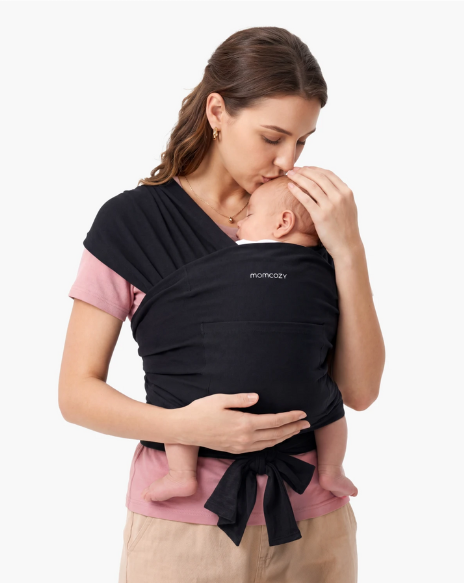
Structured carriers are built around a reinforced fabric panel that creates a deep, supportive seat for your baby, paired with wide padded shoulder straps and a substantial waistband that work together to channel weight downward through your core. Most models feature quick buckles at the chest and waist—three-point or four-point fastening systems that click securely without requiring you to thread straps through loops. Adjustability is where these carriers distinguish themselves: sliding mechanisms on the shoulder straps, a width-adjustable seat panel, and head support that folds up or tucks away mean the same carrier works for a four-month-old in a front inward position and a fourteen-month-old riding on your back. Many structured carriers now include a front-facing outward position as well, accommodating babies with enough neck control who want to observe their surroundings. Built-in sun hoods, lumbar support pads, and removable drool covers add practical layers without complicating the basic on-and-off process.
Meeting Needs for Extended Comfort and Safety
The ergonomic advantage of a structured carrier becomes apparent after the twenty-minute mark—the point where simpler carriers start transferring strain to one side of your body. Because the structured design holds your baby in an M-position with knees higher than hips, it supports healthy hip development while simultaneously pulling your child's center of gravity close to yours. This means less compensatory leaning, less lower back strain, and more energy for everything else on your schedule. Safety certifications on structured carriers typically cover fall-risk prevention through redundant buckle systems and reinforced stitching at stress points. For parents tackling tasks that require bending, reaching, or moving unpredictably—cooking dinner, chasing a toddler at the playground, or walking a dog—the structured carrier keeps your baby locked in place without constant readjustment. It demands slightly more setup time than a hip seat, but once buckled, it becomes a hands-free baby carrier you can genuinely forget you're wearing.
Direct Comparison: Hip Seat vs. Structured for Busy Parents' Needs
With both carrier types laid out individually, the real question becomes which one actually fits the way you move through your day. Rather than declaring a universal winner, this comparison measures each carrier against the specific demands busy parents face—speed, interaction, comfort, and portability—so you can weigh trade-offs with clarity.
Ease of Use and Speed for Daily Errands
When you're unbuckling a car seat in a parking lot with fifteen minutes before your next stop, setup time isn't trivial—it's the deciding factor. Hip seat carriers win this category decisively. One waistband buckle, baby on the seat, and you're walking. The entire process works one-handed and requires zero strap threading or chest clip adjustments. Structured carriers, while not complicated, involve fastening a waistband, positioning your baby in the panel, connecting shoulder straps, and securing a chest buckle—roughly thirty to forty-five seconds even with practice. That gap compounds across multiple stops. However, structured carriers repay that extra setup with stability. Once buckled, you won't touch them again for hours. Hip seats require occasional hand support during sudden movements or when your baby leans unexpectedly, which can interrupt tasks requiring both hands. For parents averaging five or more short stops daily, the hip seat's quick buckles and instant accessibility reduce friction. For parents combining errands with longer walking stretches or household work blocks, the structured carrier's set-it-and-forget-it security proves more practical despite the slower start.
Front-Facing Options and Interaction
Both carrier types offer front-facing positions, but the experience differs meaningfully. Hip seat carriers provide an open, unrestricted outward view—your baby sits on the ledge facing forward with their legs free and torso unconfined by fabric panels. This openness maximizes visual engagement and airflow, making it ideal for stimulating environments like stores or outdoor walks. Structured carriers with front-facing modes secure your baby within a fabric seat panel, which provides superior head and torso support but slightly limits peripheral vision and creates more body heat between parent and child. For younger babies still developing neck strength, the structured carrier's built-in support makes front-facing safer. For older babies with solid head control who want maximum environmental interaction, the hip seat's unobstructed design keeps them engaged and content longer. Portability also factors in: hip seats fold flat or clip around your waist when not actively holding a baby, functioning almost like a belt. Structured carriers, even when unbuckled, hang from your shoulders or bunch at your waist, adding bulk between tasks. As a hands-free baby carrier for mixed-activity days, the structured option delivers more consistent security; as a grab-and-go tool for rapid transitions, the hip seat remains unmatched.
Choosing the Best Baby Carrier: A Step-by-Step Guide
Rather than relying on reviews alone, work through these five steps to land on the carrier that genuinely matches your life. First, audit your daily routine for one full week—count how many times you pick up and set down your baby, note whether your tasks last five minutes or fifty, and track how often you're indoors versus walking outdoors. This pattern reveals whether speed or sustained support matters more. Second, visit a store or borrow from a friend to physically try on both a hip seat and a structured carrier with your baby in them. Fit varies dramatically between body types, and no spec sheet replaces feeling where the weight lands on your frame. Third, test the buckles and adjustments under realistic conditions—can you fasten the carrier while your baby fusses, while standing in a parking lot, while wearing a winter coat? Prioritize quick buckles you can operate one-handed if rapid transitions define your schedule. Fourth, check that any carrier you're considering meets current safety standards and supports the front-facing position appropriate for your baby's developmental stage—neck control and age minimums matter here. Fifth, make your decision based on which carrier you'd actually reach for on a chaotic Monday morning, not which one performs best in ideal conditions. The best baby carrier is the one that removes hesitation from your routine and becomes as automatic as grabbing your keys.
Finding the Right Carrier for Your Daily Routine
The hip seat versus structured carrier debate doesn't have a single correct answer—it has a personal one. Hip seat carriers deliver unmatched speed and simplicity for parents whose days revolve around frequent, short tasks where quick transitions between carrying and not carrying define the rhythm. Their minimal setup, open front-facing design, and grab-and-go nature make them the clear choice when ease of use tops your priority list. Structured carriers, meanwhile, prove their worth when your schedule demands sustained hands-free carrying across longer stretches, offering superior weight distribution, multiple positions, and set-it-and-forget-it security that lets you focus entirely on the task ahead.
The best baby carrier is ultimately the one aligned with how your days actually unfold—not how you wish they would. Consider whether you need speed or endurance, whether front-facing interaction or ergonomic longevity matters more, and which carrier you'll consistently reach for without hesitation. Whichever you choose, you're investing in smoother days, freer hands, and a calmer experience for both you and your baby. That's time and energy returned to you—exactly where busy parents need it most.