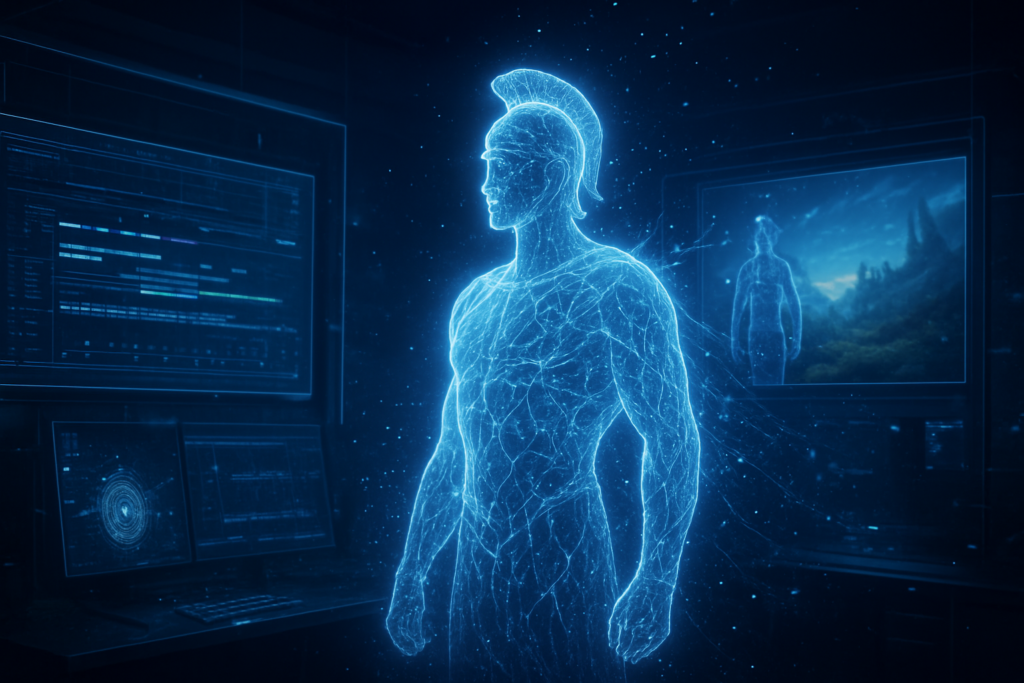
In a move that has sent shockwaves through both Silicon Valley and Hollywood, The Walt Disney Company (NYSE: DIS) and OpenAI have finalized a landmark $1 billion partnership to integrate the Sora video generation platform into Disney’s legendary production ecosystem. Announced earlier this month, the deal marks a historic "peace treaty" between the world’s most powerful content creator and the leading pioneer of generative AI, effectively ending years of speculation about how the entertainment industry would respond to the rise of synthetic media.
The agreement is structured as a dual-pronged strategic alliance: a $1 billion equity investment by Disney into OpenAI and a multi-year licensing deal that grants OpenAI access to over 200 iconic characters from Disney Animation, Pixar, Marvel, and Star Wars. This partnership signals a paradigm shift in the creative economy, where intellectual property (IP) holders are moving away from purely litigious stances to become active participants in the AI revolution, aiming to set the global standard for how licensed content is generated and consumed.
Technical Breakthroughs: Sora 2 and Character-Consistency Weights
At the heart of this deal is the recently launched Sora 2, which OpenAI debuted in September 2025. Unlike the early iterations of Sora that captivated the world in 2024, Sora 2 features synchronized dialogue, high-fidelity soundscapes, and the ability to generate continuous 60-second clips with near-perfect temporal consistency. For Disney, the most critical technical advancement is the implementation of "character-consistency weights"—a specialized AI training layer that ensures characters like Mickey Mouse or Iron Man maintain precise visual specifications across every frame, preventing the "hallucinations" or off-brand glitches that plagued earlier generative models.
To maintain Disney’s rigorous brand standards, the collaboration has birthed a proprietary "Brand Safety Engine." This technology acts as a real-time filter, preventing the generation of content that violates Disney’s content guidelines or depicts characters in inappropriate contexts. Furthermore, the deal is carefully calibrated to comply with labor agreements; notably, the licensing agreement excludes the likenesses and voices of live-action talent to adhere to SAG-AFTRA protections, focusing instead on animated characters, "masked" heroes, and the vast array of creatures and droids from the Star Wars and Marvel universes.
Initial reactions from the AI research community have been overwhelmingly positive, with experts noting that this represents the first time a massive, high-quality dataset has been legally "pipelined" into a generative model at this scale. Industry analysts suggest that the integration of Disney’s proprietary character sheets and 3D assets will allow Sora to move beyond simple video generation and into the realm of "intelligent asset manipulation," where the AI understands the physical and emotional rules of a specific character’s universe.
Market Disruption: The "Partner or Sue" Strategy
The Disney-OpenAI alliance has immediate and profound implications for the competitive landscape of the tech industry. By aligning with OpenAI, Disney has effectively chosen its champion in the AI arms race, placing pressure on competitors like Alphabet Inc. (NASDAQ: GOOGL) and Meta (NASDAQ: META). In a bold legal maneuver accompanying the deal, Disney issued a massive cease-and-desist to Google, alleging that its Gemini models were trained on unauthorized Disney IP. This "Partner or Sue" strategy suggests that Disney intends to consolidate the generative AI market around licensed partners while aggressively litigating against those who use its data without permission.
Other AI labs and startups are already feeling the heat. While companies like Runway and Luma AI have led the charge in independent video generation, they now face a competitor with the "gold standard" of content libraries. For Microsoft (NASDAQ: MSFT), OpenAI’s primary backer, the deal further solidifies its position as the foundational infrastructure for the next generation of media. Meanwhile, other toy and media giants, such as Mattel, have already followed suit, signing their own deals with OpenAI to accelerate product design and concept animation.
This development also disrupts the traditional VFX and animation pipeline. By integrating Sora directly into its production workflows, Disney can potentially reduce the time and cost of pre-visualization and background animation by orders of magnitude. This strategic advantage allows Disney to maintain its high production volume while reallocating human creative talent toward more complex, high-level storytelling and character development tasks.
The Broader AI Landscape: From Consumers to "Prosumers"
Beyond the corporate maneuvering, the Disney-OpenAI deal marks a significant milestone in the broader AI landscape by formalizing the "prosumer" content category. By early 2026, Disney plans to integrate a curated version of Sora into the Disney+ interface, allowing fans to generate their own "fan-inspired" short-form social videos using licensed assets. This move democratizes high-end animation, turning viewers into creators and potentially solving the "content gap" that streaming services face between major blockbuster releases.
However, the deal is not without its concerns. Critics argue that even with strict brand filters, the proliferation of AI-generated Disney content could dilute the value of the brand or lead to a "dead internet" scenario where social feeds are flooded with synthetic media. There are also ongoing ethical debates regarding the long-term impact on entry-level animation jobs. While Disney emphasizes that Sora is a tool for augmentation rather than replacement, the history of technological shifts in Hollywood suggests that the workforce will need to undergo a massive re-skilling effort to stay relevant in an AI-augmented studio system.
Comparatively, this milestone is being likened to the 1995 release of Toy Story, which signaled the transition from hand-drawn to computer-generated animation. Just as Pixar redefined the medium 30 years ago, the Disney-OpenAI deal is seen as the official start of the "Generative Era" of cinema, where the boundaries between the creator's intent and the audience's imagination become increasingly blurred.
Future Horizons: Personalization and Theme Park Integration
Looking ahead, the near-term developments will likely focus on the "Disney ChatGPT" for internal staff—a specialized version of OpenAI’s LLM trained on Disney’s century-long history of scripts and lore to assist writers and researchers. In the long term, experts predict that this partnership could lead to hyper-personalized storytelling, where a Disney+ subscriber could potentially choose their own adventure in a Marvel or Star Wars film, with Sora generating new scenes in real-time based on viewer choices.
There are also whispers of integrating Sora-generated visuals into Disney’s theme parks. Imagine an "Imagineering AI" that generates unique, responsive environments in attractions, allowing for a different experience every time a guest visits. The primary challenge remains the "uncanny valley" and the legal complexities of global IP law, but Disney’s proactive approach suggests they are confident in their ability to navigate these hurdles. Experts predict that within the next 24 months, we will see the first fully AI-assisted short film from Disney receive a theatrical release.
A New Chapter in Creative History
The $1 billion deal between Disney and OpenAI is more than just a financial transaction; it is a declaration of the future. By embracing Sora, Disney has validated generative AI as a legitimate and essential tool for the next century of storytelling. The key takeaways are clear: IP is the new currency of the AI age, and the companies that successfully bridge the gap between human creativity and machine intelligence will be the ones to lead the market.
As we move into 2026, the industry will be watching closely to see how the first "prosumer" tools are received on Disney+ and how the legal battle between Disney and other tech giants unfolds. This development's significance in AI history cannot be overstated—it is the moment the "Magic Kingdom" officially opened its gates to the world of synthetic media, forever changing how we create, consume, and interact with our favorite stories.
This content is intended for informational purposes only and represents analysis of current AI developments.
TokenRing AI delivers enterprise-grade solutions for multi-agent AI workflow orchestration, AI-powered development tools, and seamless remote collaboration platforms.
For more information, visit https://www.tokenring.ai/.