NEW YORK CITY, NY / ACCESS Newswire / January 10, 2026 / The phrase best weight loss pills for 2026 reflects common consumer search behavior and is used here to evaluate treatment options, access pathways, and decision criteria. It does not imply endorsement, ranking, or medical recommendation. This analysis reviews publicly available data to help readers independently assess weight loss medication options.
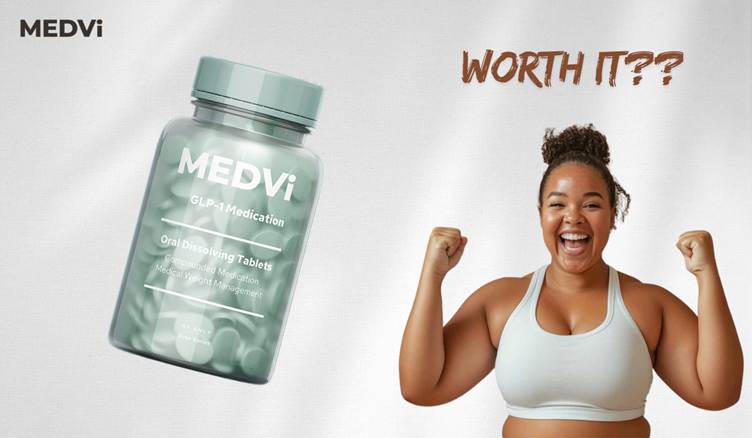
Disclaimer: This article is for informational purposes only and does not provide medical advice. Always consult a licensed healthcare professional before starting any weight loss treatment. Prescription medications require evaluation by a qualified clinician. Compounded medications are not FDA-approved as finished products. If you purchase through links in this article, a commission may be earned at no additional cost to you.
Patients researching weight loss pills in 2026 may review the current compounded GLP-1 options on the official MEDVi website before speaking with a licensed clinician.
Why Searches for Weight Loss Pills Are Increasing in 2026
Search interest for weight loss medications peaks every year between Christmas and New Year, making it the highest-intent period for weight loss-related queries. According to a December 2025 YouGov survey, exercising more ranked as the top New Year's resolution for 2026, cited by 25 percent of U.S. respondents. A separate Statista survey reported that approximately 48 percent of participants identified fitness and weight management goals as their primary focus entering the new year.
This surge in interest coincides with a major regulatory milestone. On December 22, 2025, the FDA approved the first oral GLP-1 medication for obesity treatment, the Wegovy pill developed by Novo Nordisk.
"With the approval of the Wegovy pill, patients now have access to a once-daily oral option that delivers weight loss results comparable to injectable Wegovy," said Mike Doustdar, President and CEO of Novo Nordisk, in the company's official statement.
As awareness of GLP-1 medications grows, more patients are actively researching weight loss pills vs injections, GLP-1 effectiveness, and how to access prescription weight loss medications online.
What People Want to Know When Searching for Weight Loss Pills
Consumers searching for the best weight loss pills typically want clear answers to practical questions that advertisements often do not address.
Weight Loss Effectiveness and Clinical Results
What do published clinical trials show? How much weight loss was achieved in studies? How do GLP-1 medications compare with older weight loss drugs?
Safety, Side Effects, and Eligibility
What side effects have been reported? Who should avoid GLP-1 medications? What type of medical monitoring is recommended?
Access Options and Telehealth Prescriptions
Where can weight loss medications be obtained? What is the difference between FDA-approved brand-name drugs and compounded GLP-1 medications? How does telehealth prescribing work?
Cost and Insurance Coverage
How much do weight loss pills cost in 2026? Are GLP-1 medications covered by insurance? What are common cash-pay alternatives?
Legitimacy and Regulatory Oversight
What regulatory standards apply to each option? How do compounded medications differ from FDA-approved finished products?
How to Evaluate Weight Loss Medication Options in 2026
This analysis reviews independent sources, FDA announcements, and published clinical data to address common concerns around weight loss pills, GLP-1 medications, and telehealth weight loss programs.
No single treatment option is suitable for everyone. The appropriate choice depends on individual health history, financial considerations, and comfort with regulatory distinctions. These decisions should always be made in consultation with a licensed healthcare provider.
How Much Do Weight Loss Medications Cost in 2026? Pricing Comparison for GLP-1 Drugs
One of the most common questions people ask when researching weight loss medications is how much they actually cost. Pricing varies widely depending on whether the medication is FDA-approved, compounded, injectable, oral, covered by insurance, or purchased through telehealth.
The pricing information below is based on manufacturer announcements and platform disclosures available as of December 2025. All prices are subject to change.
FDA-Approved Oral Wegovy Cost (Available January 2026)
According to Novo Nordisk, the FDA-approved oral version of Wegovy will launch with a 1.5 mg starting dose priced at $149 per month for patients paying out of pocket. Pricing for higher doses has not yet been publicly announced.
For patients with insurance coverage, ABC News reports that copays could be around $25 or less, depending on individual insurance plans and benefit structures.
This approval marks the first FDA-approved oral GLP-1 weight loss pill, which is expected to significantly influence demand in 2026.
FDA-Approved Injectable Wegovy Pricing
Based on Novo Nordisk's November 2025 pricing update, injectable Wegovy offers reduced pricing for uninsured patients during the initial dosing phase.
$199 per month for the first two months at the 0.25 mg and 0.5 mg starter doses
$349 per month for ongoing prescriptions after the initial period
$499 per month for the 2 mg maintenance dose without insurance
Insurance coverage may significantly reduce out-of-pocket costs, but eligibility varies by plan.
FDA-Approved Zepbound Cost (Tirzepatide)
According to LillyDirect disclosures, Zepbound is available through a cash-pay option using single-dose vials.
Starting price is $349 per month for the 2.5 mg dose
Higher doses are priced separately. Insurance coverage varies and may not be available for all patients.
Compounded Semaglutide Pricing via Telehealth Platforms
Based on publicly available disclosures from MEDVi, compounded GLP-1 programs on the platform are listed starting at $179 for initial access. Ongoing pricing varies depending on dosage strength and formulation.
The platform states that there are:
No membership fees
No hidden or recurring charges beyond listed prices
HSA and FSA eligibility where applicable
It is important to note that compounded medications are not FDA-approved as finished products.
Weight Loss Medication Costs and Patient Access Considerations
Cost remains a significant barrier for many patients. According to the KFF Health Tracking Poll, approximately 50% of adults who have used GLP-1 medications report difficulty affording them.
Insurance coverage for weight loss drugs varies widely, and Medicare does not currently cover medications prescribed specifically for obesity treatment. As a result, many patients explore alternative access options such as cash-pay programs and telehealth-based prescribing.
Patients may review the current compounded GLP-1 options on the official MEDVi website and consult with a licensed clinician regarding eligibility.
How to Evaluate Weight Loss Medication Options in 2026
When comparing weight loss pills and injections, patients often consider the following factors in consultation with their healthcare provider.
Preference for Oral Weight Loss Pills
Oral Wegovy is the first FDA-approved GLP-1 pill for weight loss and is expected to be available in January 2026. A key consideration is the strict dosing requirement. The medication must be taken first thing in the morning on an empty stomach with no more than four ounces of water, followed by a 30-minute wait before eating or drinking.
Patients With Insurance Coverage
Patients with qualifying insurance plans may find branded medications such as Wegovy or Zepbound more affordable. Some insured patients report copays as low as $25, depending on coverage details.
Patients Considering Compounded GLP-1 Options
Telehealth providers may offer compounded GLP-1 formulations at lower upfront prices. However, compounded medications are not FDA-approved as finished products and have not undergone FDA review for safety, efficacy, or manufacturing quality in their final form.
Patients Seeking Less Frequent Dosing
Weekly injectable medications such as Wegovy or Zepbound may be more suitable for individuals who find daily pill schedules difficult to maintain.
All weight loss medication decisions should be made in consultation with a licensed healthcare professional who can evaluate medical history, potential risks, contraindications, and overall suitability.
2026 Weight Loss Medication Timeline: Key FDA Decisions, GLP-1 Drug Launches, and What to Expect
The weight loss medication market is changing rapidly as new GLP-1 drugs reach regulatory milestones. Below is a timeline of confirmed developments and expected events in 2026 based on manufacturer announcements, FDA filings, and major media reporting.
This overview helps patients researching weight loss medications in 2026, GLP-1 pills, and obesity treatment options understand what is available now and what may be coming next.
Weight Loss Medication Timeline for 2026
December 22, 2025
The FDA approved oral Wegovy, also known as semaglutide 25 mg. This marked the first FDA-approved oral GLP-1 medication specifically indicated for weight loss.
Early January 2026
According to Novo Nordisk, oral Wegovy is expected to launch in retail pharmacies and through select telehealth providers. The starting dose of 1.5 mg is listed at $149 per month for patients paying out of pocket.
March 2026 (Expected)
An FDA decision is anticipated for Eli Lilly's oral GLP-1 medication or forglipron. Reuters reports that Eli Lilly expects approval for its oral obesity drug in March 2026.
Throughout 2026
Pharmaceutical intelligence platform Ozmosi projects continued expansion of the GLP-1 market. The platform estimates one to two new GLP-1 drug launches per year beginning in 2026, with 39 GLP-1 medications currently in development.
Regulatory Context for Compounded GLP-1 Medications
February 2025
The FDA announced that the semaglutide shortage had been resolved, which resulted in changes to compounding permissions for pharmacies.
Ongoing Developments
Legal challenges related to drug shortage determinations remain active. As a result, the regulatory environment for compounded GLP-1 medications continues to shift, and patient access pathways may change over time.
FDA Approval of Oral Wegovy: What It Means for Weight Loss Treatment
The FDA's December 22, 2025 approval of the Wegovy pill represents a major shift in obesity treatment. It is the first oral GLP-1 medication approved specifically for weight management.
According to Novo Nordisk and independent reporting, the approval was based on strong clinical trial results demonstrating meaningful weight loss outcomes.
Oral Wegovy Clinical Trial Results (OASIS 4)
Data published in the New England Journal of Medicine show that oral semaglutide 25 mg taken once daily resulted in an average weight loss of 16.6 percent among participants who followed the dosing protocol. About one in three participants achieved at least 20 percent weight loss.
These results were described as comparable to those seen with injectable Wegovy at the 2.4 mg dose.
Dr. Sean Wharton, lead study author and medical director of the Wharton Medical Clinic, stated that oral semaglutide builds on the established safety and effectiveness profile of semaglutide and represents a significant advancement in obesity treatment.
Adherence and Real-World Weight Loss Outcomes
Medical experts have emphasized that adherence may be a key factor for patients choosing an oral GLP-1 medication.
According to NBC News, Dr. Shauna Levy of the Tulane Weight Loss Center noted that strict timing requirements could impact real-world results. In clinical trials, participants who did not consistently follow the dosing schedule lost an average of 13.6 percent of body weight, compared with 16.6 percent among those who adhered closely.
Experts caution that real-world effectiveness will depend on whether patients can maintain daily dosing and timing requirements over the long term.
Oral Wegovy Dosing Instructions
According to reporting from NPR and NBC News, the Wegovy pill must be taken first thing in the morning on an empty stomach with no more than four ounces of water. Patients must wait at least 30 minutes before eating, drinking, or taking other medications.
These dosing requirements are considered stricter than those for weekly injectable GLP-1 medications.
Availability and Manufacturing Status
Novo Nordisk has stated that oral Wegovy will be available in pharmacies and through select telehealth platforms in early January 2026. Manufacturing is currently underway at facilities located in North Carolina.
Published Clinical Trial Data on GLP-1 Weight Loss Medications
For patients comparing weight loss pills vs injections, clinical trial data provides important context. The results below represent average outcomes from controlled studies and do not guarantee individual results.
Oral Semaglutide (Wegovy Pill)
The OASIS 4 trial reported an average weight loss of 13.6 percent over approximately 64 weeks when all participants were included. Among participants who followed the dosing protocol, average weight loss increased to 16.6 percent. The placebo group experienced an average weight loss of 2.2 percent.
Injectable Semaglutide (Wegovy)
Clinical trials showed approximately 15 percent average weight loss over 68 weeks compared with placebo. The SELECT trial also demonstrated cardiovascular risk reduction benefits.
Tirzepatide (Zepbound)
Clinical trial data cited by multiple sources, including NBC News, showed average weight loss of approximately 21 to 22.5 percent at the highest dose after 72 weeks, compared with about 3 percent for placebo.
Orforglipron (Not Yet FDA Approved)
According to CNN, Eli Lilly's oral GLP-1 candidate achieved approximately 11 percent average weight loss over 72 weeks at the highest dose. Unlike oral Wegovy, orforglipron does not require fasting or strict timing rules. An FDA decision is expected in spring 2026.
Important Context When Interpreting GLP-1 Clinical Trials
Each of these clinical trials was conducted separately using different study designs, patient populations, and treatment protocols. Results were achieved under controlled conditions with medical supervision, dietary guidance, and lifestyle recommendations.
Individual outcomes vary significantly based on adherence, medical history, lifestyle factors, and biological response. Clinical trial data should not be interpreted as a guarantee of individual weight loss results.
FDA-Approved vs Compounded Weight Loss Medications
Understanding the difference between FDA-approved weight loss medications and compounded GLP-1 medications is essential for anyone researching obesity treatment options. These regulatory distinctions can directly affect safety expectations, prescribing rules, and access pathways, and should be discussed with a licensed healthcare provider.
FDA-Approved Weight Loss Medications Explained
FDA-approved medications are finished drug products that have undergone full review by the U.S. Food and Drug Administration for safety, effectiveness, and manufacturing quality. These products are approved for specific medical indications and must follow FDA-authorized labeling, dosing instructions, and quality standards.
Common FDA-approved GLP-1 medications used for weight management include Wegovy, available as both an injectable and oral pill, Ozempic, Zepbound, and Mounjaro. Each has completed extensive clinical trials and regulatory evaluation as a final drug product.
What Are Compounded GLP-1 Medications?
According to FDA guidance, compounded medications are prepared by licensed pharmacies based on a prescription written by a licensed clinician. These medications are not FDA-approved as finished products.
While compounded GLP-1 medications may use the same active pharmaceutical ingredients found in branded drugs, the FDA does not review compounded formulations for safety, efficacy, or manufacturing quality in their final form. Oversight is instead handled at the pharmacy and prescriber level under state and federal regulations.
Regulatory Context for Compounded Semaglutide
In February 2025, the FDA announced that the semaglutide shortage had been resolved. This decision led to changes in when pharmacies are permitted to compound semaglutide-based medications.
Following the shortage resolution, compounding is generally allowed only when a prescribing clinician determines that a patient has a specific medical need that cannot be met by an FDA-approved drug.
The FDA has acknowledged that litigation challenging these shortage determinations is ongoing. Due to the large number of patients affected, the agency has stated it will exercise enforcement discretion during transition periods.
What This Regulatory Difference Means for Patients
Patients considering compounded weight loss medications should understand that these products, although prepared by licensed pharmacies using pharmaceutical ingredients, have not been evaluated by the FDA as finished drugs. This distinction is an important factor to review with a healthcare provider when comparing treatment options.
Telehealth Weight Loss Platforms: How MEDVi Works
Many patients researching telehealth weight loss programs want to understand how these platforms are structured. The following overview is based on publicly available disclosures.
MEDVi Platform Structure
According to its published terms and website information, MEDVi involves three separate entities with clearly defined roles.
Telehealth Platform
MEDVi operates as a technology platform that facilitates connections between patients and healthcare providers. The company states that it does not practice medicine and does not provide medical care directly.
Licensed Medical Providers
Independent healthcare professionals review patient health information and determine whether a prescription is appropriate. According to company disclosures, clinicians affiliated with OpenLoop Health maintain full authority over prescribing decisions. Eligibility, treatment initiation, and continuation are determined solely by licensed clinicians following individualized medical review.
Partner Pharmacies
Licensed pharmacies compound and dispense medications based on valid prescriptions. MEDVi states that it partners with Belmar Pharma Solutions and that partner pharmacies operate in FDA-regulated facilities. Compounded medications dispensed through these pharmacies are not F
Pricing Information Based on Public Disclosures
According to MEDVi's publicly available information, compounded GLP-1 programs on the platform are listed starting at $179 for initial access. Ongoing pricing varies depending on dosage strength and formulation.
The company states that there are no membership fees or hidden charges beyond the listed prices. HSA and FSA eligibility is noted where applicable.
Telehealth Prescribing Process Overview
Based on company disclosures, the telehealth process typically includes an online health intake, review by an independent licensed clinician, and pharmacy fulfillment if a prescription is issued. Completing an evaluation does not guarantee that a prescription will be provided. All prescribing decisions are made solely by licensed healthcare professionals after individualized medical assessment.
Patients may review the current compounded GLP-1 options on the official MEDVi website and complete an evaluation to determine eligibility.
Who Is a Candidate for GLP-1 Weight Loss Medications? Eligibility, Safety, and Expectations
Many people searching for GLP-1 weight loss medications want to know whether they may be eligible before speaking with a healthcare provider. Rather than relying on testimonials or individual success stories, the following self-assessment framework outlines evidence-based factors that may help determine whether GLP-1 medications are worth discussing with a licensed clinician.
When GLP-1 Weight Loss Medications May Be Appropriate
You may want to talk with a healthcare provider about GLP-1 medications if several of the following situations apply.
Difficulty Achieving Long-Term Weight Loss
Individuals who have made consistent efforts with diet and physical activity but continue to struggle with sustained weight management may benefit from medications that target appetite regulation. GLP-1 medications work through hormonal pathways that influence hunger, fullness, and calorie intake, addressing biological factors that lifestyle changes alone may not fully overcome.
Meeting BMI Requirements for Prescription Weight Loss Medication
FDA-approved GLP-1 medications for weight loss are typically indicated for:
Adults with obesity, defined as a body mass index of 30 or higher
Adults with overweight, defined as a BMI of 27 or higher, who also have at least one weight-related medical condition
A healthcare provider can confirm whether these criteria apply to your situation.
Willingness to Use Medication With Medical Supervision
GLP-1 medications are prescribed as part of comprehensive treatment plans. This includes regular follow-up, dose adjustments, and clinical monitoring. They are not intended for unsupervised or short-term use.
Ability to Commit to Long-Term Treatment
Weight management with GLP-1 medications is generally evaluated over extended periods. Clinical trials commonly assessed outcomes over 64 to 72 weeks, which highlights the importance of consistency and long-term adherence.
Who Should Not Use GLP-1 Weight Loss Medications
GLP-1 medications are not suitable for everyone. According to prescribing information, they may be contraindicated in certain situations.
Medical Contraindications
These include a personal or family history of medullary thyroid carcinoma, a diagnosis of Multiple Endocrine Neoplasia syndrome type 2, or known hypersensitivity to semaglutide or other medication components.
Pregnancy and Breastfeeding
GLP-1 medications are not recommended during pregnancy or while breastfeeding. Individuals who may become pregnant should discuss contraception and timing considerations with their healthcare provider.
Certain Medical Conditions
People with a history of pancreatitis, severe gastrointestinal disease, or other relevant health conditions should carefully review potential risks with a licensed clinician before considering treatment.
Common Side Effects and Safety Information
Understanding possible side effects helps set realistic expectations before beginning treatment.
Most Common Side Effects
The most frequently reported side effects of GLP-1 medications are gastrointestinal. These include nausea, vomiting, diarrhea, and constipation. Clinical data show that these symptoms are often temporary and tend to occur during dose escalation.
In the OASIS 4 clinical trial, 7 percent of participants taking the oral Wegovy pill discontinued treatment due to side effects, compared with 6 percent in the placebo group.
Serious Safety Risks
Prescribing information for GLP-1 medications includes warnings related to:
Thyroid C-cell tumors observed in animal studies
Pancreatitis
Gallbladder disease
Kidney-related complications
Adherence and Real-World Effectiveness
Experts note that results seen in clinical trials may differ from real-world outcomes. Factors such as daily dosing schedules, strict timing requirements, side effect tolerance, and long-term adherence can influence whether patients remain on treatment long enough to see meaningful results.
This is why ongoing medical supervision and individualized treatment planning are essential.
Realistic Expectations for GLP-1 Weight Loss Medications
As interest in weight loss medications increases, it is important to maintain realistic expectations.
What GLP-1 Medications May Help With
Appetite regulation through hormonal mechanisms
Weight reduction when combined with lifestyle changes and medical oversight
Improvements in certain metabolic markers for some individuals
According to the Gallup Health and Well-Being Index from October 2025, the U.S. adult obesity rate declined to 37 percent, down from 39.9 percent in 2022. The same report found that 12.4 percent of U.S. adults reported using GLP-1 medications for weight loss, more than double the percentage reported in early 2024.
What GLP-1 Medications Cannot Guarantee
A specific amount of weight loss for every individual
Results identical to clinical trial averages
Long-term weight maintenance without continued effort and follow-up
Clinical trials typically combined medication with reduced-calorie diets, increased physical activity, and nutritional counseling.
What Remains Essential With or Without Medication
Thorough medical evaluation and ongoing clinician supervision
Sustainable diet and physical activity changes
Patience with realistic timelines, as trials evaluated outcomes over 64 weeks or longer
Awareness of potential risks and side effects
Individual results vary widely based on adherence, lifestyle factors, medical history, and biological response.
How to Get Started With GLP-1 Weight Loss Medications: Next Steps for Patients
Individuals researching GLP-1 weight loss medications often want clear guidance on how to begin evaluating their options. After reviewing available information, the next step typically involves consulting a licensed healthcare provider to determine whether treatment may be appropriate.
Patients considering GLP-1 medications often start by discussing weight loss goals, medical history, and previous diet or exercise efforts with a clinician. These conversations usually include reviewing differences between FDA-approved medications and compounded alternatives, understanding required monitoring, and confirming follow-up expectations.
All prescribing decisions are made solely by licensed healthcare professionals following an individualized medical review. Eligibility varies based on personal health factors and clinical judgment.
Exploring Telehealth Options for GLP-1 Weight Loss Medications
For individuals interested in telehealth weight loss programs, online platforms offer an alternative access pathway. Patients may review the currently listed compounded GLP-1 options on the official MEDVi website and complete an online health evaluation to determine potential eligibility.
Prescriptions, if issued, are determined exclusively by licensed clinicians after reviewing patient-submitted medical information. Completing an evaluation does not guarantee that a prescription will be provided.
MEDVi Contact and Support Information
According to information published on the company's website, MEDVi provides customer support through the following channels:
Email: help@medvi.org
Phone: (323) 690-1564
Address: 131 Continental Dr. Ste 305, Newark, DE 19713
Important Regulatory and Industry Factors to Consider
Anyone researching weight loss pills for 2026 should be aware of broader regulatory and industry developments that may affect availability and access.
Telehealth Weight Loss Industry Oversight
Published regulatory analysis indicates that telehealth providers offering weight loss medications are facing increased scrutiny. The U.S. Food and Drug Administration has issued warning letters to multiple telehealth companies regarding marketing practices and claims related to compounded medications.
Compounded GLP-1 Regulatory Status
According to FDA statements, legal challenges related to the resolution of the semaglutide shortage are ongoing. As a result, the regulatory framework governing compounded GLP-1 medications continues to change. Patients are encouraged to confirm their current regulatory status with their healthcare provider before proceeding.
Brand-Name vs Compounded Market Trends
According to statements from Novo Nordisk executives cited in CNBC reporting, pricing for the oral Wegovy pill is approaching levels that some patients currently pay for compounded versions. Industry analysts suggest that the introduction of FDA-approved oral GLP-1 medications may shift competitive dynamics within the weight loss treatment market.
Given these developments, patients should review the most up-to-date information regarding any platform's compliance practices, quality standards, and regulatory standing.
Conclusion: Evaluating Weight Loss Pill Options for 2026
Growing interest in weight loss medications reflects peak motivation during the start of the year. Based on the evidence reviewed in this analysis:
The regulatory landscape has shifted. The FDA approval of the first oral GLP-1 medication for obesity in December 2025 represents a major milestone in weight loss treatment options.
Access pathways have expanded. Patients can now evaluate FDA-approved branded medications and compounded alternatives offered through telehealth platforms in consultation with licensed clinicians.
Individual factors determine suitability. Medical history, contraindications, financial considerations, adherence capacity, and personal preferences all influence treatment selection.
Clinical oversight remains essential. All GLP-1 medications require proper evaluation, prescribing, and monitoring by licensed healthcare professionals.
Realistic expectations are important. Clinical trial outcomes represent population averages under controlled conditions. Individual results vary based on adherence, lifestyle factors, and biological response.
For individuals interested in telehealth access, patients may review the current compounded GLP-1 options on the official MEDVi website and speak with a licensed clinician to determine whether evaluation is appropriate for their specific circumstances.
Disclaimer: This article is provided for informational and educational purposes only and does not constitute medical advice, diagnosis, or treatment. The information presented is based on publicly available sources and should not be relied upon as a substitute for professional healthcare guidance. Weight loss medications, including GLP-1 therapies, require evaluation and prescription by a licensed healthcare provider. Individual results, risks, and eligibility vary. Compounded medications are not FDA-approved as finished products. Always consult a qualified medical professional before starting, stopping, or changing any medication or treatment plan. If this article contains affiliate links, a commission may be earned at no additional cost to you.
Contact Information
Company: MEDVi, LLC
Website: https://medvi.org/
Address: 131 Continental Dr. Ste 305, Newark, DE 19713
Email: help@medvi.org
SOURCE: MedVi
View the original press release on ACCESS Newswire