Restore the Earth Foundation outlines why permanence-backed restoration models may be increasingly relevant to U.S. carbon-removal markets.
EASTON, MD / ACCESS Newswire / July 15, 2026 / Restore the Earth Foundation, Inc. ("REF") today outlined why permanence backed restoration models may become increasingly important to the next phase of U.S. nature based carbon removals.
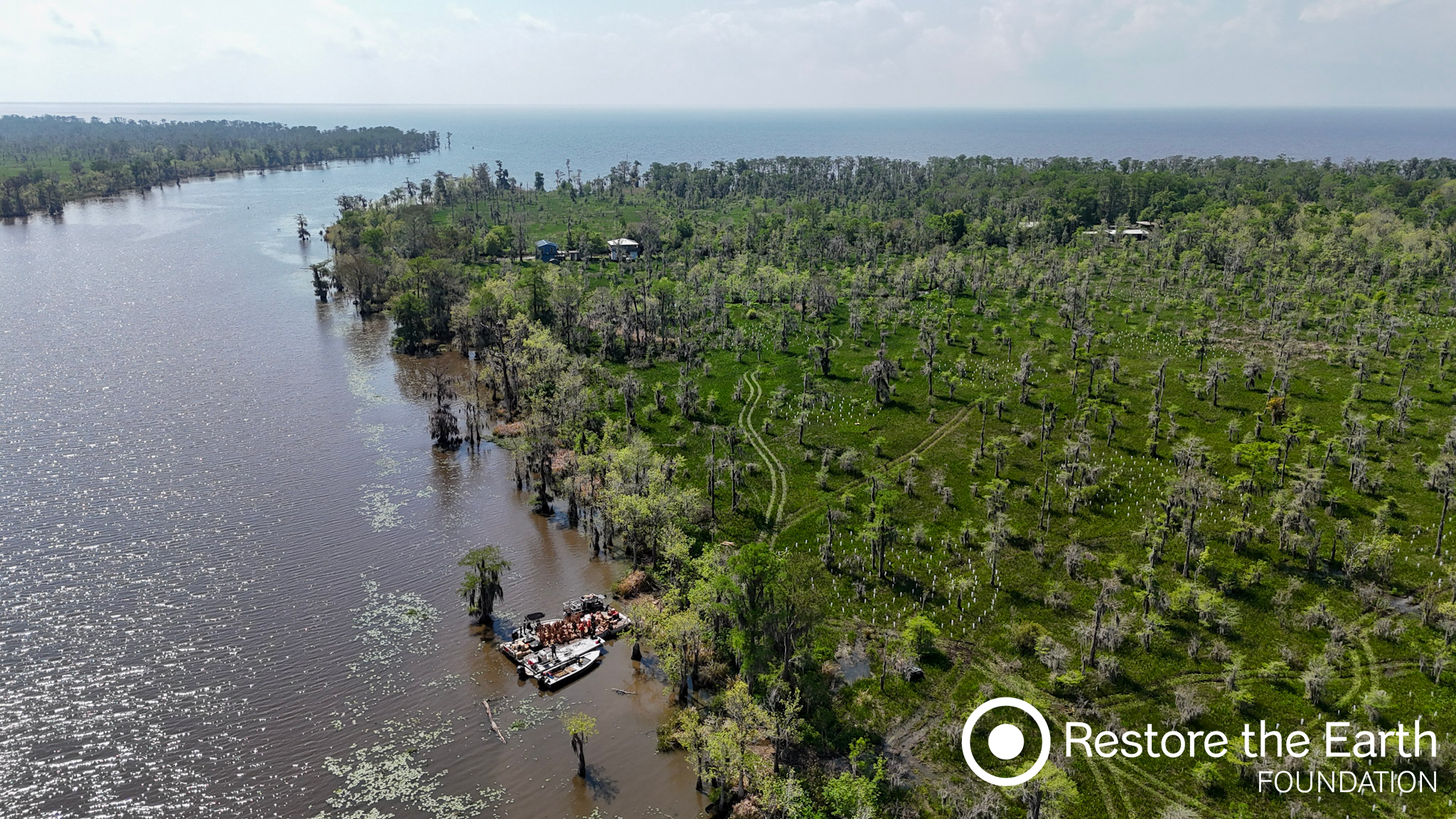
Native restoration site supported by Restore the Earth Foundation.
As carbon markets evolve, buyers and evaluators are placing greater emphasis on whether nature based projects can deliver measurable, durable, and well-governed outcomes. For reforestation and ecosystem restoration projects, this means that planting activity alone is no longer sufficient. Projects must also demonstrate credible land tenure, long term stewardship, transparent monitoring, conservative carbon accounting, and clear mechanisms for managing reversal and non-delivery risk.
REF believes that restoration models, like theirs, which are supported by durable land structures, public-private conservation frameworks, and long term environmental attribute agreements can help address some of the concerns that have affected confidence in nature based carbon markets.
"Permanence is not an abstract concept for restoration projects," said Taylor Marshall, Executive Director of Restore the Earth Foundation. "It depends on what happens on the land, who is responsible for stewardship, how the project is monitored, and whether the underlying land structure supports the long term ecological outcome. A credible carbon removal project must be designed to endure beyond the first planting phase."
Nature based carbon removals have attracted growing interest because they can combine climate mitigation with biodiversity, water, soil, resilience, and community benefits. However, the sector has also faced scrutiny over quality, additionality, monitoring, leakage, and durability. This has increased demand for project structures that can show stronger institutional foundations.
One approach is to connect restoration activity to conservation based land frameworks, including permanent or long term easements, landowner participation agreements, and public-private conservation programs. In the United States, the Natural Resources Conservation Service ("NRCS"), an agency of the U.S. Department of Agriculture, provides technical and financial assistance to farmers, ranchers, forest landowners, and other land managers through voluntary conservation programs. NRCS supported structures can include conservation and wetland easement mechanisms that help protect, restore, and enhance working lands and natural systems.
These structures do not replace the need for robust carbon project design. Projects still require credible baseline analysis, additionality assessment, monitoring, reporting, verification, leakage management, implementation planning, and transparent carbon accounting. However, when properly integrated, conservation backed land structures can strengthen the permanence case by aligning restoration activity with long-term land use commitments.
REF's position is that the next generation of high integrity restoration projects will need to combine ecological execution with institutional durability. That includes native species restoration, landowner and community alignment, technical monitoring, financial transparency, and a clear pathway for environmental attribute development.
"The market is becoming more disciplined," Marshall said. "Buyers are asking better questions. They want to understand not only how many trees are planted, but whether the project has the governance, land security, technical design, and long term stewardship needed to support durable outcomes. That is a healthy development for the sector, demanding developers to rise to the occasion."
REF works with public, private, and technical partners to support landscape scale restoration projects across degraded and vulnerable ecosystems. Its work focuses on native ecosystem restoration, environmental resilience, biodiversity enhancements, water and soil benefits, and long term project structures capable of supporting carbon and other environmental outcomes where appropriate.
For REF, permanence backed restoration is not only a carbon market issue. It is also a practical land management issue. Restoration projects can take decades to mature, and their ecological value depends on continued stewardship. This requires alignment among landowners, conservation partners, project implementers, technical providers, and potential environmental attribute buyers.
A stronger permanence model may also help distinguish restoration projects from more transactional approaches to offsets. In a market where corporate buyers are increasingly sensitive to reputational and delivery risk, projects with clearer land control structures and stewardship frameworks may be better positioned to attract long term interest.
"High integrity carbon removals need to be built like long term infrastructure," Marshall added. "They require the same discipline around design, risk, accountability, and monitoring. Restoration can generate climate value, but only if the project structure is credible enough to support that value over time."
REF expects permanence, land tenure, and technical integrity to remain central themes in U.S. restoration finance and carbon removal procurement. As public conservation frameworks, private landowner participation, technical carbon development, and environmental attribute markets continue to intersect, restoration organizations will need to demonstrate that their projects are both ecologically grounded and institutionally durable.
REF believes this shift can strengthen the market by rewarding projects that are designed for long term outcomes rather than short term claims. For restoration based removals to scale responsibly, the sector will need to move beyond general narratives and focus on the underlying structures that make climate, ecological, and community benefits more durable.
This article does not imply endorsement by the U.S. Department of Agriculture or the Natural Resources Conservation Service. References to NRCS are included to describe public conservation program structures and their relevance to restoration, land stewardship, and long-term project design.
About Restore the Earth Foundation
Restore the Earth Foundation, Inc. is a U.S. based nonprofit organization focused on large scale native tree species reforestation, and long term environmental resilience. REF works with public, private, and technical partners to restore degraded landscapes, support biodiversity and ecosystem services, and develop long term environmental outcomes, including carbon and other environmental attributes where appropriate.
Media Contact
Contact Name: Taylor Marshall
Title: Executive Director, Restore the Earth Foundation
Email: tam@restoretheearth.org
Website: https://restoretheearth.org/
Social media: https://www.linkedin.com/company/restore-the-earth-foundation/
SOURCE: Restore the Earth Foundation
View the original press release on ACCESS Newswire